

Private Equity-Backed LNG Tankers Draw Scrutiny Over Emissions and Geopolitical Exposure

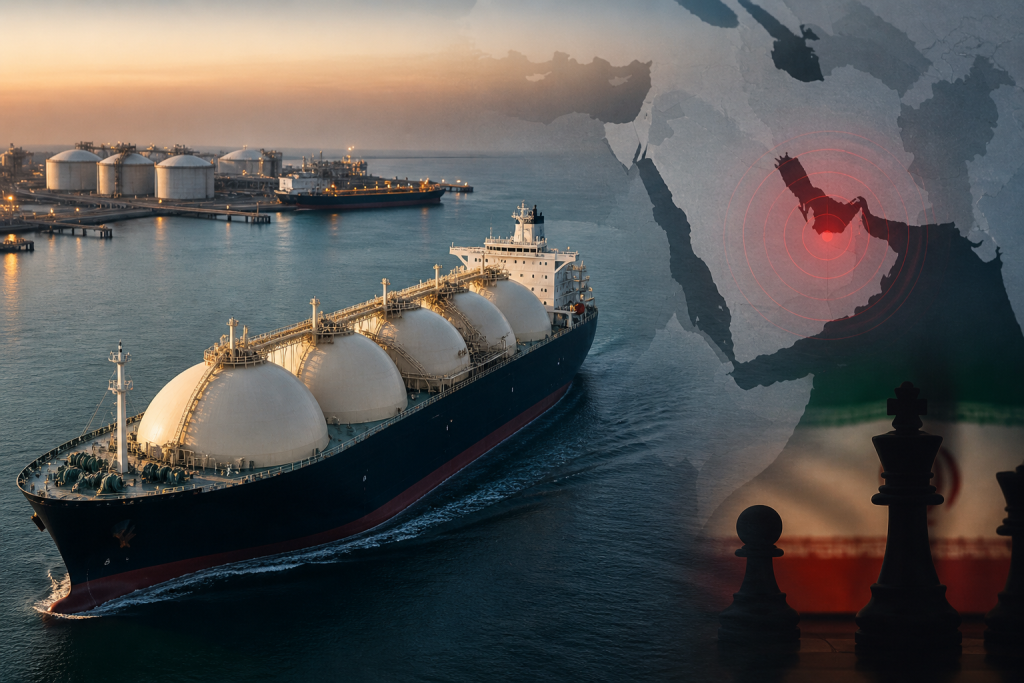
Private equity-backed liquefied natural gas (LNG) tanker fleets are facing increased scrutiny over their environmental impact and exposure to geopolitical risks, according to new data tracking fossil fuel-linked assets.
In April, 60 LNG carriers backed by private equity firms were identified and added to a global fossil fuel asset tracker focused on climate-related risks. The vessels play a critical role in transporting natural gas across global markets but are also associated with significant emissions over their operational lifespans.
LNG carriers, often described as “pipelines of the sea,” are central to the global energy supply chain. However, their environmental footprint has come under growing attention, with estimates suggesting that a single vessel can generate substantial carbon emissions over its multi-decade lifespan.
Concentration of Ownership
Of the 60 vessels identified, 49 are currently active, transporting LNG across international routes. The majority—46 tankers—are linked to Stonepeak Infrastructure Partners through its portfolio company Seapeak, highlighting the firm’s significant exposure to the sector.
Three of Seapeak’s vessels—Al Daayeen, Seapeak Bahrain, and Seapeak Methane—have recently operated near the Strait of Hormuz, a region that has seen heightened tensions amid ongoing geopolitical conflicts. The area is a critical chokepoint for global energy shipments, making it particularly sensitive to disruptions.
Industry observers note that exposure to such regions can increase operational risk for shipping assets, particularly during periods of heightened military or political instability.
Broader Private Equity Participation
Other private equity firms are also active in the LNG shipping space. Apollo Global Management backs five LNG tankers through its portfolio company Energos Infrastructure Management, which also operates floating storage and regasification units in multiple regions.
ArcLight Capital has invested in two LNG carriers currently under construction through a joint venture with Celsius Tankers, reflecting continued interest in expanding LNG transport capacity.
The involvement of multiple firms underscores private equity’s growing role in financing energy infrastructure, including assets tied to the global gas supply chain.
Balancing Energy Demand and Climate Concerns
The expansion of LNG shipping capacity comes at a time when natural gas is increasingly viewed as a transitional energy source, particularly in regions seeking to reduce reliance on coal. However, the emissions associated with LNG transport and lifecycle usage have raised concerns among environmental groups and policymakers.
The inclusion of LNG carriers in climate risk tracking frameworks reflects a broader effort to assess the environmental impact of infrastructure investments, particularly those with long operating lifespans.
Stonepeak’s Energy Portfolio
Stonepeak, a U.S.-based infrastructure-focused private equity firm managing approximately $84 billion in assets, has been a major investor in energy-related infrastructure. Its acquisition of Teekay LNG in 2022, later rebranded as Seapeak, marked a significant expansion into LNG shipping.
While the firm has also invested in renewable energy assets, fossil fuel-related investments remain a notable component of its portfolio. These include stakes in gas-fired power generation in the Caribbean and pipeline infrastructure projects in North America.
Rising Focus on Risk Exposure
The combination of environmental impact and geopolitical exposure is drawing increased attention from investors and regulators. LNG shipping assets, by their nature, operate across global trade routes that can be affected by regional conflicts, sanctions, and shifting energy policies.
At the same time, long-term emissions profiles are becoming a more prominent factor in evaluating infrastructure investments, particularly as climate-related disclosure requirements evolve.
Outlook
Private equity firms continue to play a key role in financing and operating energy infrastructure, including LNG transport assets that are integral to global energy markets. However, the growing focus on climate risks and geopolitical dynamics suggests that these investments may face increased scrutiny in the years ahead.
As the energy transition progresses, balancing the demand for reliable energy supply with environmental and geopolitical considerations is likely to remain a central challenge for investors in the sector.
Stay informed with PE Newswire for authoritative coverage of global private capital markets, including the latest deals, fundraising activity, in-depth insights, and data-driven analysis.