
Private Credit Borrowers Face Oil Shock as Refinancing Risks Rise


Oil prices near $100 a barrel are adding a new layer of pressure for leveraged private credit borrowers, threatening to squeeze corporate margins just as floating-rate debt costs remain elevated and more companies approach refinancing negotiations.
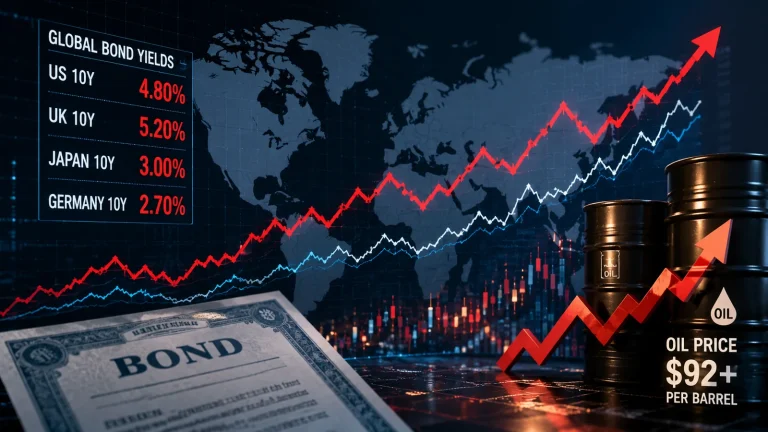
West Texas Intermediate crude traded at $99.02 a barrel early Sept. 11, while Brent stood at $103.64, according to CNBC. The energy shock is feeding inflation concerns as the Federal Reserve meets Sept. 15-16, raising the risk that highly leveraged middle-market companies could face higher operating expenses and borrowing costs simultaneously.
The timing is particularly important for direct lending. Many private credit loans carry floating interest rates linked to the Secured Overnight Financing Rate, meaning changes in short-term rates can flow relatively quickly into borrowers’ interest bills.
Oil shock complicates the refinancing equation
The CNBC report on oil and private credit refinancing described the refinancing challenge as likely to develop gradually rather than through a single maturity cliff. Stronger companies may refinance conventionally, while weaker credits could increasingly require maturity extensions, amendments, equity injections or restructurings.
That distinction matters because private credit borrowers are already entering the oil shock with signs of deteriorating credit quality.
Fitch’s U.S. private credit default rate was 6.1% for the 12 months through July, before subsequently reaching a record 6.3% in August. The August increase included 14 default events, compared with three in July.
PE NEWSWIRE recently examined the deterioration in U.S. private credit defaults and growing pressure on smaller borrowers, including the increasing use of maturity extensions and payment-in-kind arrangements.
Those restructuring tools can give borrowers additional time and preserve near-term cash. They can also indicate that the original capital structure has become difficult to support.
Floating-rate loans transmit Fed policy quickly
Private credit’s floating-rate structure is central to the current risk.
SOFR stood at 3.62% on Sept. 11, according to Federal Reserve Bank of New York data published through the St. Louis Fed. Direct loans typically add a credit spread on top of that benchmark, leaving leveraged borrowers paying substantially higher all-in coupons.
The Federal Reserve’s SOFR data show the benchmark remained at 3.62% on Sept. 14. If monetary policy tightens further, the impact on floating-rate portfolios can initially appear favorable for lenders because interest income increases. For borrowers, however, higher benchmark rates consume additional cash flow.
Oil creates another transmission mechanism. Companies exposed to transportation, manufacturing, logistics, chemicals and other energy-intensive activities can experience rising operating expenses at the same time that interest costs remain elevated.
The combination is more important to credit performance than either variable in isolation: weaker earnings reduce interest coverage precisely when debt service becomes harder to absorb.
Refinancing pressure may emerge borrower by borrower
A refinancing wall does not necessarily mean large numbers of borrowers default when maturities arrive.
Private lenders can negotiate directly with portfolio companies and sponsors, allowing them to extend maturities, change covenants, introduce PIK interest or require fresh equity. That flexibility is one of private credit’s structural differences from more fragmented public debt markets.
But those solutions also shift the focus from headline defaults toward the economic terms of restructurings.
Investors increasingly need to assess whether maturity extensions reflect temporary market dislocation or companies that cannot refinance their existing debt at sustainable rates.
The distinction is particularly important for smaller middle-market businesses. PE NEWSWIRE’s analysis of the latest Fitch data found that credit stress has been more pronounced among smaller borrowers, which generally have fewer financing alternatives than larger companies.
Higher oil prices extend the private-market rate risk
The latest energy shock also connects private credit to the broader repricing of global fixed-income markets.
PE NEWSWIRE previously reported that surging global bond yields were raising financing risks across private markets after higher crude prices revived inflation concerns and pushed sovereign borrowing costs upward.
For private credit, the more immediate issue is the short-term benchmark underpinning floating-rate loans. But movements in Treasury yields still matter for refinancing decisions because borrowers can compare private debt against syndicated loans, high-yield bonds and other financing alternatives.
The current environment therefore presents private lenders with competing effects. Higher rates can increase portfolio yields, while elevated oil prices can hurt borrowers’ earnings and potentially keep monetary policy tighter. At the same time, rising defaults and restructurings can erode the benefit of higher contractual coupons.
The Federal Reserve’s Sept. 15-16 meeting is the next immediate test. The Federal Reserve’s official 2026 meeting calendar confirms the two-day meeting concludes Sept. 16, meaning the monetary-policy outcome was still unresolved when the CNBC report was published Sept. 11.
For private credit investors, the larger issue extends beyond one Fed decision or a single move in crude. The refinancing cycle will increasingly test whether borrowers can generate enough earnings and cash flow to support today’s debt costs — or whether lenders and private equity sponsors will have to restructure capital stacks to keep companies out of more severe distress.