New York City Pension Chief Warns Private Equity Managers Over Rising Costs and Retail Liquidity Risks

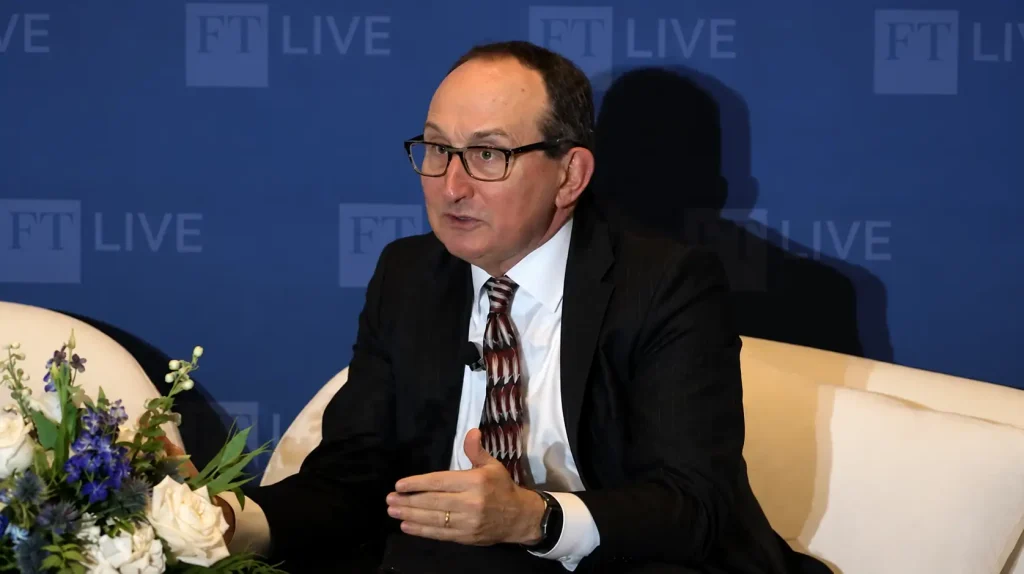
Monte Tarbox, chief investment officer overseeing New York City’s $326.3 billion public pension systems, has criticized rising private equity fund expenses after an unnamed investment manager allegedly sought to charge investors for employees’ private jet travel.
Speaking at the Financial Times Future of Asset Management North America conference in Boston, Tarbox questioned whether private equity managers were adequately protecting institutional investors’ interests as the industry increasingly targets wealthy individuals for fundraising.
The dispute raises broader questions about expense allocation, general partner accountability and the changing relationship between private equity firms and pension funds.
Private Equity Expenses Face Greater Scrutiny
Tarbox said the unidentified manager recently proposed passing private aviation expenses to investors, despite existing management fees intended to cover ordinary operating costs.
He characterized the request as part of a wider pattern of additional charges that can gradually increase limited partners’ investment costs.
The distinction matters because private equity investors typically pay management fees and performance-based carried interest, while fund agreements may permit additional expenses associated with investments and fund administration.
Whether specific travel costs qualify as legitimate fund expenses depends on contractual provisions and the circumstances involved. The manager’s identity, proposed charges and contractual justification were not disclosed.
Institutional investors are already exploring alternatives to conventional fund economics. PE NEWSWIRE previously examined how private equity co-investments are reshaping institutional fee negotiations, allowing large investors to negotiate more direct exposure and potentially lower blended costs.
NYC Pension Portfolio Highlights Institutional Stakes
New York City’s five retirement systems manage assets for more than 750,000 current and retired public employees.
According to the New York City Comptroller’s fiscal 2026 investment report, the systems held $28.3 billion in private equity investments as of June 30, representing 8.7% of their combined $326.3 billion portfolio.
Private equity generated a 7.2% net return during fiscal 2026, compared with a 13% return across the overall pension portfolio.
The figures illustrate why fee discipline matters to large retirement systems. Additional fund expenses reduce investor-level returns and can complicate comparisons between managers offering similar investment strategies.
Retail Expansion Creates New Liquidity Concerns
Tarbox also warned that private equity managers’ growing emphasis on individual investors could weaken their traditional relationships with institutional limited partners.
Blackstone, KKR and other alternative asset managers have expanded products targeting wealthy individuals, seeking additional capital beyond pension funds, sovereign wealth funds and endowments.
Unlike traditional closed-end private equity partnerships, some individual-investor vehicles offer periodic redemption opportunities, subject to restrictions.
That structure creates potential liquidity pressure because underlying private equity holdings may take years to sell.
The issue extends beyond private equity. PE NEWSWIRE previously reported on Blackstone’s BCRED redemption pressures, demonstrating how withdrawal limits can become consequential when investor requests exceed available liquidity.
Although BCRED invests in private credit rather than buyouts, its redemption structure illustrates a similar liquidity-management challenge.
Implications for Private Equity Managers
Tarbox’s criticism comes amid increasing scrutiny of manager-investor alignment, particularly around expenses, transparency and access to liquidity.
His position carries institutional significance. The New York City Comptroller appointed Tarbox permanent chief investment officer in March 2026, placing him in charge of investment oversight for one of America’s largest public pension portfolios.
For private equity managers, the commercial implications extend beyond individual expense disputes. Large institutional investors can evaluate fund terms, negotiate expense protections and direct commitments toward competing managers.
As retail fundraising expands, maintaining institutional relationships will require managers to balance new distribution opportunities against established expectations for cost transparency, liquidity discipline and investor alignment.